
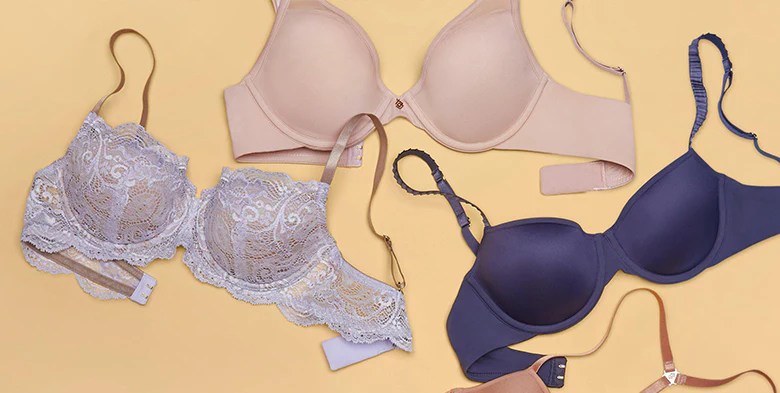
There’s a shift happening in wellness retail that remains impactful, but quiet, because it doesn’t look dramatic. It doesn’t shout trend or aesthetics. It shows up in action; how women move, breathe, and stay uninterrupted in their bodies. Somewhere between yoga mats, smartwatches, and recovery rituals, one product crossed a line—from something worn to something relied on. That’s where this story begins.
1. The Era of Bra Sizing Without the Shadow of Judgment
For many people, the biggest hurdle in bra shopping was never the price. It was the quiet fear that the tape measure would say something wrong—that one number carried more worth than another.
The new approach removes that weight entirely. A bra size chart becomes a map to guide the body toward comfort, not comparison, not a verdict. A band of 65 or 100, a cup of A or I—these are coordinates, not rankings.
When a sizing system is genuinely inclusive, shame dissolves naturally. Not because it’s addressed head-on, but because the structure itself proves a simple truth: the system was designed for you, exactly as you are today.
2. The Moment Intimates Entered the Wellness System
In active settings, distraction is the enemy. Anyone who’s tried to hold a yoga pose while adjusting straps understands this immediately. That’s why, in the active-wellness vertical, bras stop being “intimates” and start behaving like performance components.
Here, alignment matters more than appearance:
- Fabric recovery determines freedom of movement
- Moisture management protects skin continuity
- Stability replaces decoration as the core value
This isn’t fashion logic; it’s systems thinking. The bra becomes part of a wellness stack—right alongside mats, sensors, and hydration tools. When designed correctly, it disappears during use. And in performance design, invisibility is success.
3. Precision Language Changes How the Product Is Valued
One mistake businesses make when entering wellness is keeping lifestyle language for technical products. It undermines credibility. When sizing shifts from “small or medium” to calibrated band and volume logic, perception changes instantly. Precision reframes the product as gear.
What that unlocks:
- Support described as load distribution, not comfort fluff
- Cup volume treated as airflow and moisture capacity
- Fit accuracy positioned like equipment calibration
This matters to modern users who already quantify their bodies through apps and wearables. They trust systems that speak data fluently. Precision language doesn’t alienate—it reassures. It signals professionalism, not complexity.
4. Reliability in Active Wear Means Skin Has No Downtime
In wellness, failure isn’t dramatic—it’s irritating. A rash. A slip. A constant need to readjust. That’s downtime. Performance bras are judged the same way athletes judge gear: does it hold under stress without demanding attention?
Reliability shows up quietly:
- Bands that stay level through dynamic movement
- Seams that don’t announce themselves after hours
- Moisture systems that keep weight and temperature stable
When this works, the wearer stays focused on the activity, not the equipment. That’s when loyalty forms—not emotionally, but functionally. Once someone trusts their gear not to betray them mid-movement, replacement becomes unnecessary.
5. Wellness Incentives That Actually Belong in the System
In this vertical, incentives can’t be random. They must complete the loop. That’s why performance-aligned rewards work better than discounts. Hydration tools support recovery. Antimicrobial textiles extend post-practice hygiene. These aren’t gifts—they’re system reinforcements.
Effective wellness incentives share traits:
- They solve adjacent problems, not create clutter
- They reflect sustainability without preaching it
- They remain useful long after the purchase memory fades
This is where many promotions fail—they interrupt the ecosystem instead of strengthening it. In active-wellness, everything must earn its place.
In essence, the shift from intimate apparel to kinetic infrastructure isn’t cosmetic—it’s philosophical. It demands better listening, tighter engineering, and higher accountability. For businesses, it’s an upgrade in responsibility. For users, it’s uninterrupted movement. And for investors watching carefully, it’s a signal that the category is not only competing on style—but on lifestyle performance under real conditions.
 Online Trends Fashion Blog